 Skip to main content Skip to footer
Packaging plays a vital role in the success of almost every product. Beyond protecting products from contamination, moisture, oxygen, and physical damage, packaging directly affects shelf life, operational efficiency, regulatory compliance, and even how consumers perceive a brand.
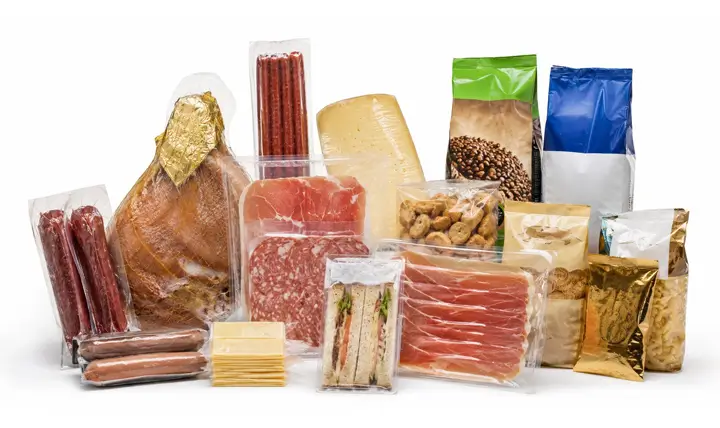
Thermoforming film is found almost everywhere in daily life: the clear trays under meat at the supermarket, the blister packs holding toothbrushes on store shelves, the blister packaging used for pills, and much more. It is one of the most widely used packaging materials in the world, combining low cost, design flexibility, and strong product protection to make it one of the best overall packaging solutions available.
This guide covers what thermoforming film is, how it works, the main types and materials used, how it compares with alternative packaging methods, and the factors to consider when choosing the right film for your product.
What is Thermoforming Film?
Thermoforming film is a thermoplastic material specially designed to be heated until soft, then shaped over a mold using vacuum, air pressure, or mechanical force to create rigid or semi-rigid packaging structures such as trays, blister packs, flexible pouches, and flip-top packs. Once cooled, the film sets into a container capable of protecting, displaying, and preserving the product inside — a unique combination of properties that makes it ideal for a wide range of applications across the packaging industry.
How Thermoforming Film Works
Thermoforming film relies on the thermoplastic nature of plastic film (sheet) materials. Through heating and the application of pressure (or vacuum), the film conforms to the surface of a mold and, once cooled, sets into a specific shape — such as a blister, tray, or cavity. This is a secondary forming technology.

Base Film Feeding and Heating
The equipment automatically feeds the base film (such as a PE/PA multilayer co-extruded plastic film) into the heating station, where heating plates warm the film evenly until it softens (above the glass transition temperature but below the melting point), giving it the plasticity and stretchability needed for forming.
Thermoforming (Stretching and Conforming)
The softened film moves to the forming mechanism, where the mold, air pressure (positive pressure), and vacuum suction (negative pressure) work together to stretch the film and draw it onto the mold surface, creating a cavity that precisely matches the shape of the product. Common forming methods include:
Vacuum forming: A pressure differential created by drawing a vacuum pulls the film tightly against the mold surface. Suitable for shallow cavities and products requiring a high-quality outer surface.
Pressure forming: Compressed air blows the film onto the mold under positive pressure. Suitable for complex shapes, deep cavities, or high-gloss products.
Mechanical forming: Male and female mold halves clamp together to apply pressure. Suitable for deep cavities and structural parts, and delivers high forming precision.
Product Filling
The formed film cavities are conveyed to the filling area, where products are placed precisely into each cavity, either manually or by automated machinery.
Lidding and Sealing
A lidding film (typically an unheated composite film) is placed over the base film containing the filled product, and the two are sealed together using heat-sealing technology. At this stage, a vacuum may be drawn or a gas mixture injected (modified atmosphere packaging) to complete the seal.
Cutting and Collection
The sealed trays are conveyed to the cutting station, where cross-cutting or die-cutting blades precisely separate the individual packages according to the cavity layout, while trim scrap is automatically collected for recycling.
The forming results of thermoforming film are directly influenced by the film’s formulation (such as its multilayer co-extruded structure) and process parameters (heating temperature, forming pressure, cooling rate), which need to be matched and adjusted according to the product’s shape and material characteristics.
Types of Thermoforming Film
Thermoforming films come in several types depending on product requirements and industry standards. Common categories include:
By Rigidity
Rigid film — Thicker film used for trays, blister packs, and containers. Suitable for form-fill-seal food packaging needs as well as general thermoformed packaging requirements.
Flexible film — Thinner, lighter film that closely conforms to the shape of the product. Commonly used for fresh food packaging such as meat, cheese, and poultry, where minimizing material weight and cost is essential.
By Barrier Level
High-barrier film — Multilayer structures (often including EVOH) that block oxygen and moisture, extending the shelf life of vacuum-packed meat, fish, and processed foods.

Medium-barrier film — Balances protection and cost, designed for packaging applications that need reliable barrier performance while achieving a good balance between optical properties, mechanical strength, and cost-effectiveness.
Low-barrier/no-barrier film — Suited to applications where extending shelf life is not the primary concern and cost-effectiveness is the priority instead.
By Application
Top film (lidding film): Typically thinner (70–100 μm), often made from high- or medium-barrier composite films (such as PA/EVOH/PE co-extruded film or BOPET/INK/PVDC/PE), primarily serving a sealing and barrier function.
Bottom film (base film): Typically thicker (100–280 μm), often made from high- or medium-barrier co-extruded/cast films (such as PP/PA/EVOH/PA/PE or PA/EVOH/PA/PE), primarily serving a forming and load-bearing function.
By Sustainability
Mono-material film, increasingly made from a single polymer family (such as all-PE or all-PP) so that the packaging can be recycled through standard processes.
Common Materials Used in Thermoforming Film
| Material | Key Properties | Typical Applications |
| PE (Polyethylene) | Flexible, lightweight, moisture-resistant | Grocery/food film, flexible pouches |
| PP (Polypropylene) | High clarity, heat-resistant, microwave-compatible | Ready meal trays, dairy, hot-fill packaging |
| PVC (Polyvinyl Chloride) | Rigid, cost-effective, excellent clarity | Blister packs, hard-shell retail packaging |
| PET (Polyethylene Terephthalate) | Strong, transparent, recyclable | Food trays, bakery packaging, cosmetic containers |
| EVOH (Ethylene Vinyl Alcohol) | Exceptional oxygen barrier (used as a layer, not standalone) | Multilayer high-barrier films for meat, fish, cheese processed foods |
When a single-material structure cannot provide both mechanical strength and barrier performance at the same time, multilayer film structures (such as PA/EVOH/PE) are common — with each layer contributing a different property to the finished film.
Applications of Thermoforming Film
Thanks to its excellent formability, sealing performance, and barrier properties, thermoforming film is widely used across many industries and has become an important material in modern packaging solutions.
Food Packaging
The food industry is the largest application market for thermoforming film. It effectively extends product shelf life, enhances shelf appeal, and works well with high-speed automated packaging lines.
Common applications include fresh meat, bacon, sausages, cheese, seafood, ready-to-eat meals, and frozen foods, used in vacuum packaging, modified atmosphere packaging (MAP), and vacuum skin packaging, among other formats.

Pharmaceutical and Medical Packaging
The medical industry demands extremely high standards for cleanliness, sterile barrier performance, and seal reliability. Thermoformed base films are typically paired with medical-grade lidding materials to provide safe, reliable protection for surgical instruments, syringes, medical consumables, and disposable medical products.
Electronics
In the electronics sector, thermoforming film focuses more on anti-static performance and product protection. It is widely used to package precision components such as PCBs, chips, electronic parts, connectors, and sensors, effectively preventing electrostatic damage and physical impact.
Consumer Goods Packaging
Thermoformed packaging significantly improves product display while providing good protection during transport. It is commonly used for razors, cosmetics, stationery, toys, and other consumer goods for both display and retail packaging.
Pet Food Packaging
With the rapid growth of the pet economy, thermoforming film is increasingly being used in pet food packaging. Whether for fresh pet food, frozen pet food, or pet treats, high-barrier thermoformed packaging effectively preserves freshness, extends shelf life, and reduces food waste.
Industrial Products
In industrial applications, thermoformed packaging can secure products in place and reduce impact and damage during transport. It is suitable for protective packaging of interior components, housings, and other parts, helping ensure products arrive intact.
Advantages of Thermoforming Film
Excellent Optical Properties
High gloss, clarity, and transparency deliver strong shelf impact.
Superior Barrier Performance
Outstanding resistance to moisture, gas, oxygen, and aroma transmission delivers optimal product freshness.
Excellent Formability
Superior forming and deep-draw performance allow it to provide versatile packaging solutions for a wide range of applications.
High Puncture Resistance
Strong mechanical strength and puncture resistance minimize product damage and waste during handling, storage, and transport.
Design Flexibility
It can be formed into virtually any shape, printed on, or made transparent for branding and product display purposes.
Outstanding Packaging Performance
Its durable structure allows it to conform to products under heat, vacuum, or pressure, forming secure, customized packaging.

Sustainability Trends in Thermoforming Film
Packaging regulations are reshaping this material category. In the EU, the Packaging and Packaging Waste Regulation (PPWR) is pushing manufacturers toward recyclable mono-material structures (such as all-PE or all-PP films), which maintain barrier performance without the multilayer construction of traditional films — avoiding the recycling challenges that come with multilayer structures.
As brands pursue net-zero commitments or reduce plastic packaging, mono-material packaging structures and bio-based polymer films are also beginning to enter the market. More and more brands are positioning themselves to achieve this transition and enhance their sustainability credentials.
How to Choose the Right Thermoforming Film
When selecting a thermoforming film, the following factors should be weighed together rather than considered in isolation:
- Choose the material structure based on the packaged product
Different products vary greatly in their film performance requirements. Selection should be based on the product’s specific characteristics, considering factors such as high barrier performance, puncture resistance, sealing performance, and moisture resistance.
- Determine barrier requirements
How long does the product need to stay fresh? Does it need protection from oxygen, moisture, or light? For products sensitive to oxygen and water vapor, focus on: OTR (oxygen transmission rate), WVTR (water vapor transmission rate), barrier layer material, film thickness, and packaging structure.
For oxygen-sensitive products such as meat, cheese, and seafood, consider adding a high-barrier layer such as EVOH. Note that a higher barrier level isn’t always better — the right barrier grade should be chosen based on the product’s actual shelf-life requirements, balancing cost and performance.
- Formability
The film must not only be capable of forming but must also remain stable throughout actual production. Packages with deep cavities or complex shapes require better stretch and forming performance.
Otherwise, problems can occur such as uneven stretching, overly thin bottoms, corner tearing, wrinkling, or incomplete forming.
Therefore, when purchasing thermoforming film, it’s best to request actual forming test data from equipment the supplier has tested on, rather than relying on material specifications alone.
- Check heat-sealing performance
Whether thermoformed packaging can be produced stably in the long run largely depends on the sealing layer. Key factors to consider include: sealing temperature, seal strength, sealing window, sealing speed, and resistance to contamination from oils and juices.
- Choose film specifications based on your equipment
The same thermoforming film can perform very differently on different equipment. Be sure to confirm the thermoforming equipment brand and model, forming method, heating temperature, forming depth, film width, film thickness, production speed, and sealing conditions.
For high-speed automated production lines in particular, film thickness consistency, roll flatness, and processing stability are extremely important.
- Consider transparency and appearance based on the desired final packaging effect
For retail food packaging, transparency isn’t just about appearance — it directly affects product display. High-transparency thermoformed film allows the product to be seen clearly and enhances shelf appeal.
High-quality printing can also improve the visual impact of the packaging and support brand promotion.
- Puncture resistance and mechanical properties
For products such as bone-in meat, seafood, and frozen foods, transparency and film thinning alone aren’t enough. Especially in vacuum packaging combined with thermoforming, sharp product edges can place significant mechanical stress on the film.
- Cost-effectiveness
Balance material cost against barrier performance and shelf-life requirements; for products with a short shelf life, excessive barrier performance adds cost without added benefit.
Conclusion
Choosing the right packaging material comes down to matching barrier performance, rigidity, and material composition to your specific product and shelf-life requirements, while staying closely attuned to the sustainability regulations reshaping this field.
If you’re looking for a professional and reliable thermoforming film supplier, NK Packing is a strong choice. With extensive experience producing flexible packaging materials, we provide customized thermoforming film solutions tailored to the packaging needs of different food and consumer products. From material structure, thickness, and barrier performance to forming performance, sealing performance, and compatibility with downstream packaging equipment, everything can be adjusted specifically for your application.
For brand owners, packaging processors, and distributors who need stable, high-volume procurement, choosing a thermoforming film supplier should involve more than just comparing unit prices — it should also take into account material performance, production stability, quality control, delivery capability, and technical support. A truly suitable thermoforming film should not only meet a product’s protection needs but also help customers improve packaging efficiency, reduce overall costs, and adapt to evolving sustainable packaging requirements.
NK Packing is committed to providing customers with stable, flexible, and cost-effective thermoforming film products, with support for material customization across different application scenarios. If you’re looking for thermoforming packaging materials suited to meat, cheese, seafood, ready-to-eat meals, or other products, feel free to contact us for material recommendations and solutions tailored to your product needs.


